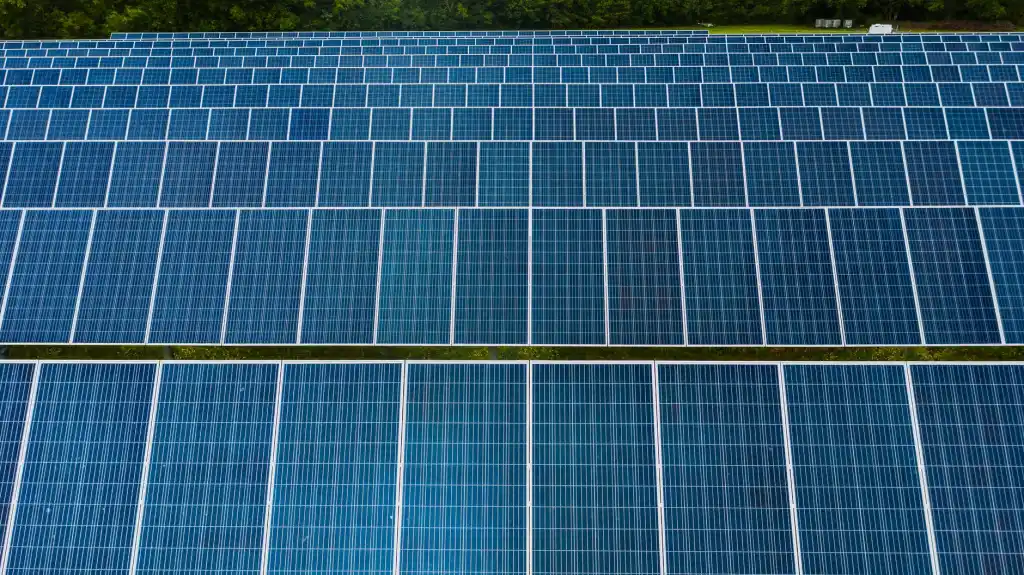
Iran has taken a major step toward expanding its clean energy capacity by granting construction permits for nearly 100 gigawatts (GW) of solar power projects, aimed at attracting private sector investment and strengthening the country’s renewable energy ecosystem.
The development was confirmed by Jafar Mohammadnejad Sigaroudi, Deputy for Investment at Iran’s Renewable Energy and Energy Efficiency Organization (SATBA). He stated that the large-scale approval is designed to encourage broader participation from investors in Iran’s renewable energy sector, particularly in solar and wind power.
Sigaroudi highlighted that renewable sources could play a crucial role in supplying a portion of Iran’s electricity needs. However, he noted that only a fraction of the approved capacity is expected to materialize. According to estimates, around 15% of the permitted projects may eventually be developed, citing ongoing challenges such as financing constraints, infrastructure limitations, and project execution hurdles.
Iran is currently facing a substantial electricity supply shortfall of nearly 23,000–24,000 MW, placing increasing pressure on the national power grid. While renewable energy alone cannot fully close this gap, SATBA officials believe it can significantly reduce strain on the system, especially during periods of peak demand.
Emphasizing global trends, Sigaroudi pointed out that renewable energy accounted for approximately 46% of global electricity generation in 2024. He added that several countries with fewer natural resources than Iran have made faster progress in clean energy adoption, underscoring Iran’s vast untapped potential in solar and wind energy development.
The approval of large-scale solar permits signals Iran’s intent to accelerate renewable energy deployment, diversify its power mix, and improve long-term energy security through increased private sector participation.